
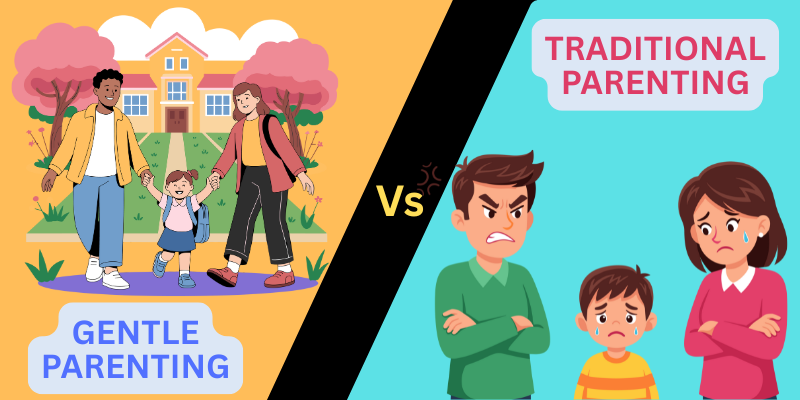
Parenting is one of the most important responsibilities in life, yet there is no universal rulebook that fits every family. Over the years, parenting styles have evolved based on cultural beliefs, research, and a deeper understanding of child psychology. Two of the most commonly discussed approaches today are gentle parenting and traditional parenting.
Table of Contents
Many parents find themselves confused when choosing between these two styles. Should you follow the strict, rule-based approach you were raised with, or adopt the more modern, emotionally responsive gentle parenting method?
In this in-depth guide, we’ll explore gentle parenting vs traditional parenting, highlighting their key differences, discipline methods, emotional impact, and long-term outcomes. By the end of this article, you’ll have a clear understanding of which parenting style aligns best with your values and your child’s needs.
What Is Gentle Parenting?
Gentle parenting is a respectful, relationship-based parenting approach that focuses on empathy, emotional awareness, and positive discipline. Instead of using fear or punishment to control behavior, gentle parenting aims to teach children life skills through connection and understanding.
Core Principles of Gentle Parenting
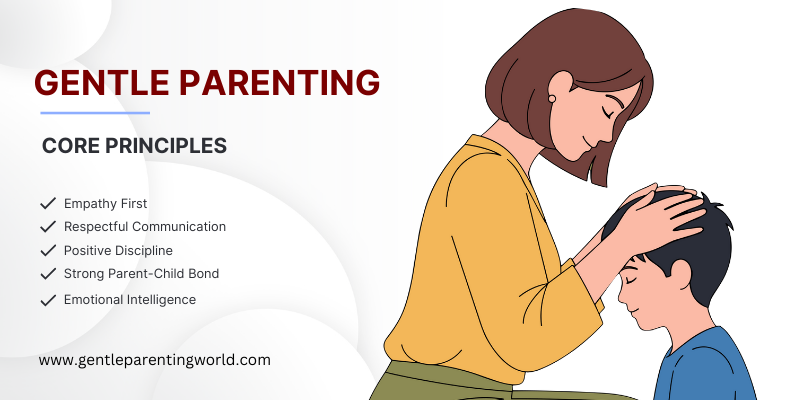
- Empathy First
Parents acknowledge and validate a child’s emotions, even when correcting behavior. - Respectful Communication
Children are spoken to with kindness and respect, just like adults. - Positive Discipline
Discipline is about teaching, not punishing. - Emotional Intelligence
Children learn to recognize, understand, and manage their emotions. - Strong Parent-Child Bond
Connection is prioritized over control.
Gentle parenting does not mean permissive parenting. Rules, limits, and boundaries still exist—but they are enforced calmly and consistently.
What Is Traditional Parenting?
Traditional parenting, often referred to as authoritarian parenting, has been practiced for generations. This style emphasizes obedience, discipline, respect for authority, and strict rules.
Core Principles of Traditional Parenting
- Authority-Based Structure
Parents are the decision-makers; children are expected to comply. - Strict Rules
Rules are non-negotiable and rarely explained. - Punishment-Based Discipline
Time-outs, scolding, grounding, or physical punishment may be used. - Limited Emotional Expression
Emotional displays are often discouraged. - Immediate Obedience
Focus is on controlling behavior quickly.
Traditional parenting is deeply rooted in many cultures and is often passed down from one generation to the next.
Gentle Parenting vs Traditional Parenting: Key Differences
Let’s break down the major differences between these two parenting styles.
1. Discipline Methods
Gentle Parenting Discipline
Gentle parenting uses positive discipline, which focuses on teaching appropriate behavior rather than punishing mistakes. Parents help children understand the consequences of their actions and guide them toward better choices.
Examples:
- Natural consequences
- Redirection
- Calm conversations
- Problem-solving together
Traditional Parenting Discipline
Traditional parenting relies heavily on punishment-based discipline to correct behavior quickly.
Examples:
- Scolding or yelling
- Time-outs
- Loss of privileges
- Physical punishment (in some cases)
Key Difference:
Gentle parenting teaches why behavior is inappropriate, while traditional parenting focuses on stopping behavior immediately.
2. Communication Style
Gentle Parenting Communication
- Two-way communication
- Active listening
- Encourages children to express thoughts and emotions
Traditional Parenting Communication
- One-way communication
- “Because I said so” mindset
- Children are expected to listen, not question
Key Difference:
Gentle parenting values dialogue, while traditional parenting prioritizes authority.
3. Emotional Development
Gentle Parenting
- Teaches emotional regulation
- Encourages emotional expression
- Helps children label and manage feelings
Traditional Parenting
- Emotions may be dismissed or suppressed
- Crying may be discouraged
- Less focus on emotional awareness
Children raised with gentle parenting often develop higher emotional intelligence, while traditional parenting may lead to emotional suppression.
4. Role of the Parent
Gentle Parenting Role
- Parent acts as a guide or coach
- Models appropriate behavior
- Builds mutual respect
Traditional Parenting Role
- Parent acts as an authority figure
- Controls behavior through power
- Expects unquestioned obedience
5. Child Autonomy and Independence
Gentle Parenting
- Encourages independence
- Respects age-appropriate choices
- Builds decision-making skills
Traditional Parenting
- Limits autonomy
- Decisions are made by parents
- Children follow instructions
Gentle Parenting vs Traditional Parenting: Long-Term Impact
Long-Term Effects of Gentle Parenting
Children raised with gentle parenting often show:
- Strong self-esteem
- Better emotional regulation
- Improved communication skills
- Healthy relationships
- Internal motivation instead of fear-based behavior
Long-Term Effects of Traditional Parenting
Traditional parenting may result in:
- Short-term obedience
- Fear-based compliance
- Lower self-confidence
- Difficulty expressing emotions
- Dependence on authority figures
Comparison Table: Gentle Parenting vs Traditional Parenting
| Aspect | Gentle Parenting | Traditional Parenting |
|---|---|---|
| Discipline Style | Positive discipline | Punishment-based |
| Communication | Two-way | One-way |
| Emotional Focus | High | Low |
| Authority | Shared respect | Parent-centered |
| Child Independence | Encouraged | Limited |
| Long-Term Goal | Emotional intelligence | Obedience |
Pros and Cons of Gentle Parenting
✅ Advantages of Gentle Parenting
- Builds a strong parent-child relationship
- Encourages emotional intelligence
- Reduces power struggles
- Supports mental well-being
- Promotes long-term positive behavior
❌ Disadvantages of Gentle Parenting
- Requires patience and consistency
- Can be emotionally exhausting
- Results are not immediate
- Parents need emotional self-regulation
Pros and Cons of Traditional Parenting
✅ Advantages of Traditional Parenting
- Clear rules and structure
- Immediate compliance
- Easy to implement
- Predictable routine
❌ Disadvantages of Traditional Parenting
- Can damage emotional connection
- Encourages fear-based behavior
- Suppresses emotional expression
- May lead to resentment
Is Gentle Parenting Better Than Traditional Parenting?
There is no perfect parenting style. However, modern research strongly supports parenting approaches that prioritize emotional connection, empathy, and respectful communication—all core elements of gentle parenting.
That said, many parents successfully adopt a balanced approach, combining structure from traditional parenting with empathy from gentle parenting.
Can You Transition from Traditional to Gentle Parenting?
Yes, absolutely. Many parents raised with traditional parenting are now choosing gentle parenting for their own children.
Tips for Transitioning:
- Start with emotional awareness
- Replace punishment with teaching
- Practice calm responses
- Be consistent with boundaries
- Give yourself grace—it’s a learning process
Common Myths About Gentle Parenting
❌ Myth 1: Gentle Parenting Has No Rules
Truth: Gentle parenting includes clear boundaries.
❌ Myth 2: Gentle Parenting Creates Spoiled Kids
Truth: It teaches responsibility and emotional control.
❌ Myth 3: Gentle Parenting Is Too Soft
Truth: It requires more discipline and consistency than punishment.
Which Parenting Style Is Right for You?
Ask yourself:
- Do I value emotional connection?
- Do I want my child to understand their feelings?
- Am I willing to practice patience and self-control?
If your answers are “yes,” gentle parenting may be the right fit.
Read more : What is Gentle Parenting? Simple Beginner’s Guide (2026)
Final Thoughts
When comparing gentle parenting vs traditional parenting, the most important difference lies in how children are treated emotionally. Gentle parenting focuses on long-term emotional health and connection, while traditional parenting focuses on obedience and control.
Parenting is a journey, not a destination. Whichever approach you choose, consistency, love, and understanding are what matter most.